

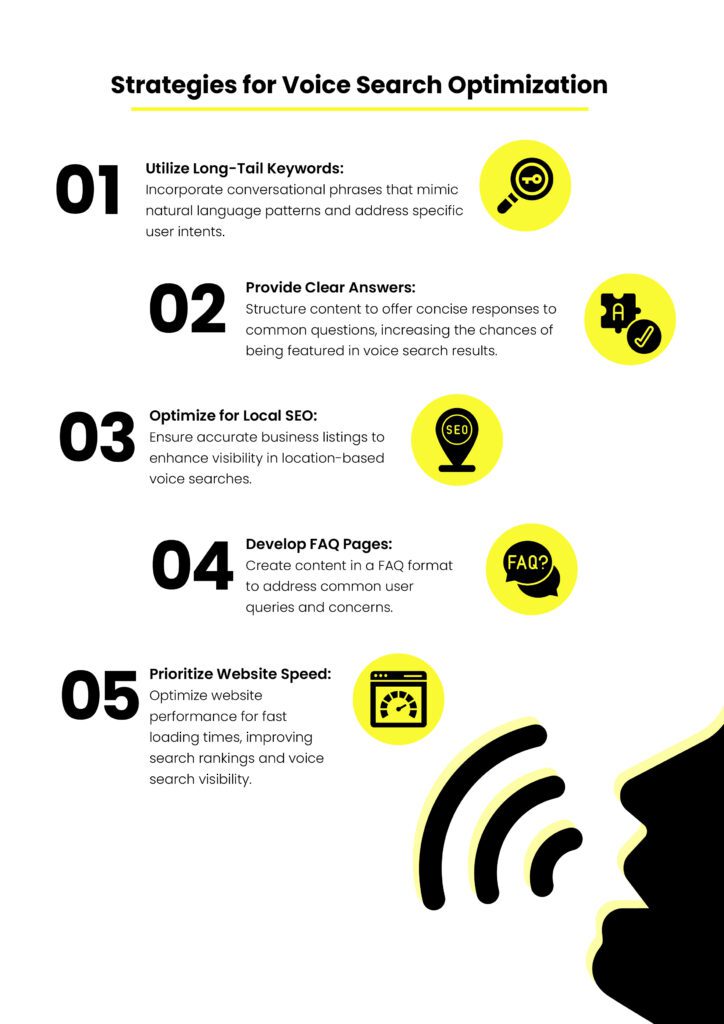
Voice Search Optimization: Best Practices for 2024
In today’s rapidly evolving digital landscape, voice search is no longer a futuristic concept—it’s an integral component of how users interact with technology. From asking for weather updates to finding the nearest coffee shop, voice-activated devices and assistants have become ubiquitous in daily life.
As we approach 2024, businesses must stay ahead of the curve by incorporating voice search optimization into their digital strategies. This guide delves into the most effective techniques and emerging trends in voice search optimization, helping you enhance user experience, improve search engine rankings, and ultimately drive more traffic and conversions.
1 Understanding the 2024 Voice Search Landscape
Voice Assistant Ecosystem
The voice assistant market has matured significantly, with each platform developing unique characteristics and user behaviors:
Google Assistant
Dominates search-based queries and local business lookups. 68% of voice searches are performed through Google.
Amazon Alexa
Strong in smart home control and e-commerce. Excellent for product searches and purchase commands.
Apple Siri
Integrated deeply with iOS ecosystem. High usage for personal assistant tasks and Apple device control.
Other Platforms
Includes Samsung Bixby, Microsoft Cortana, and specialized automotive voice systems.
53%
Of all searches will be voice-based by 2024, with mobile devices accounting for 72% of voice search queries
Key Voice Search Characteristics for 2024
- Conversational Queries: Average voice search query length is 4-6 words vs. 2-3 for typed searches
- Question Format: 70% of voice searches use question words (who, what, where, when, why, how)
- Local Intent: 46% of voice searches seek local business information
- Mobile Dominance: 62% of voice searches occur on mobile devices
- Personalization: Voice assistants increasingly personalize results based on user history and preferences
2 Long-Tail Keyword Strategy for Voice Search
Natural Language Keyword Optimization
Voice search queries are fundamentally different from traditional text searches. They’re longer, more conversational, and reflect how people actually speak.
Traditional Search
“best pizza NYC”
“plumber near me”
“SEO tips”
Voice Search
“Where can I find the best gluten-free pizza in New York City?”
“Find an emergency plumber available right now near my location”
“What are the most effective SEO strategies for small businesses in 2024?”
Long-Tail Keyword Implementation Framework
- Question-Based Keywords: Target questions starting with who, what, where, when, why, how
- Location-Specific Phrases: Include city, neighborhood, and “near me” variations
- Conversational Phrases: Use natural language patterns and complete sentences
- Intent-Focused Terms: Incorporate action words like “find,” “buy,” “get,” “order”
- Qualifier Words: Include “best,” “top,” “affordable,” “emergency,” “24-hour”
Pro Tip: Use AnswerThePublic and Google’s “People Also Ask” feature to discover question-based keywords that match voice search patterns. Create dedicated FAQ pages targeting these specific questions.
Content Optimization Checklist
Create FAQ pages for each product/service
Use question-style headings
Implement conversational tone
Include location modifiers
Add “near me” variations
Use natural sentence structure
Include action-oriented phrases
Optimize for question words
3 Technical Optimization for Voice Search
Schema Markup & Structured Data Implementation
Structured data is essential for helping voice assistants understand and properly categorize your content for voice search results.
<script type=”application/ld+json”>
{
“@context”: “https://schema.org”,
“@type”: “FAQPage”,
“mainEntity”: [{
“@type”: “Question”,
“name”: “What are your business hours?”,
“acceptedAnswer”: {
“@type”: “Answer”,
“text”: “We’re open Monday-Friday 9am-6pm and Saturday 10am-4pm.”
}
}]
}
</script>
{
“@context”: “https://schema.org”,
“@type”: “FAQPage”,
“mainEntity”: [{
“@type”: “Question”,
“name”: “What are your business hours?”,
“acceptedAnswer”: {
“@type”: “Answer”,
“text”: “We’re open Monday-Friday 9am-6pm and Saturday 10am-4pm.”
}
}]
}
</script>
Essential Schema Types for Voice Search
FAQ Schema
Critical for question-based queries. Increases chances of appearing in voice search results.
LocalBusiness Schema
Includes hours, location, contact info. Essential for “near me” searches.
HowTo Schema
Perfect for instructional content and “how to” voice queries.
Review Schema
Star ratings and reviews significantly impact voice assistant recommendations.
40%
Higher click-through rate for pages with proper schema markup compared to pages without structured data
Page Speed Optimization Requirements
- Mobile Load Time: Target < 2 seconds for mobile devices
- Core Web Vitals: All metrics in “Good” range for mobile
- Image Optimization: Use WebP format with proper compression
- JavaScript Management: Defer non-critical scripts and minimize execution time
- Caching Strategy: Implement aggressive browser caching policies
- CDN Implementation: Use Content Delivery Network for global users
4 Local SEO & Voice Search Integration
Google My Business Optimization for Voice
With 46% of voice searches having local intent, optimizing your Google Business Profile is non-negotiable.
- Complete Business Information: 100% profile completion with accurate NAP (Name, Address, Phone)
- Category Selection: Choose primary and secondary categories that match voice search queries
- Service Area Definition: Clearly define service areas for mobile voice searches
- Business Description: Use natural language describing what you do and who you serve
- Q&A Section: Populate with common customer questions and complete answers
- Photo Optimization: High-quality photos with descriptive file names and alt text
- Review Management: Active review collection and professional responses
- Post Regular Updates: Keep business information fresh with regular posts
Local Business Success Story
A dental practice increased voice search referrals by 215% in 6 months through these optimizations:
- Optimized Google Business Profile with complete information
- Added FAQ section targeting common dental questions
- Implemented local business schema markup
- Created content answering “emergency dentist near me” queries
- Optimized for “dentist open on Saturday” type searches
- Result: 85% of new patients now mention finding via voice search
Local Content Strategy for Voice
Create location-specific landing pages
Optimize for “near me” variations
Include neighborhood names
Add local landmarks as reference points
Create “service area” pages
Optimize for local business hours queries
Include local phone numbers
Add directions and parking information
5 Content Creation for Voice Assistants
Conversational Content Framework
Voice assistants prioritize content that directly answers questions in a clear, concise manner. Structure your content to match this expectation.
Poor Voice Optimization
“SEO involves numerous techniques for improving website visibility…”
Too formal, not conversational
Optimized for Voice
“To improve your website’s SEO, start by conducting keyword research, optimizing your page titles, and building quality backlinks…”
Direct, conversational, action-oriented
Featured Snippet Optimization
Voice assistants often pull answers directly from featured snippets. Optimize your content to become the featured result.
- Direct Answers: Provide clear, concise answers within first 50 words
- Structured Formatting: Use lists, tables, and bullet points
- Question Headers: Use the exact question as a header
- Comprehensive Coverage: Answer all aspects of the question
- Authority Signals: Cite credible sources and demonstrate expertise
- Readability: Use simple language and short sentences
Content Strategy: Create “position zero” pages specifically designed to answer common voice search questions. These should be concise (200-300 words), directly answer the question, and include supporting schema markup.
Voice Content Creation Tools
AnswerThePublic
Discover question-based queries your audience is asking
SEMrush Topic Research
Find popular questions and subtopics in your niche
Google’s People Also Ask
Direct insight into Google’s question database
AlsoAsked.com
Visual mapping of related questions and topics
6 Mobile-First Voice Search Optimization
Mobile Performance Requirements
With 62% of voice searches occurring on mobile devices, mobile optimization is no longer optional—it’s essential.
- Responsive Design: Flawless performance across all device sizes
- Touch Optimization: Minimum 44x44px touch targets for all interactive elements
- Accelerated Mobile Pages (AMP): Consider AMP for content-heavy sites
- Progressive Web App (PWA): Implement PWA features for app-like experience
- Mobile-First Indexing: Ensure mobile version is primary content source
- Voice Navigation: Support voice commands for site navigation
- Click-to-Call: Prominent phone numbers with tap-to-call functionality
- Location Services: Proper implementation of geolocation features
3.2x
Higher engagement rate for mobile-optimized websites compared to non-optimized sites in voice search results
Mobile Voice Search Features
Implement voice search on your site
Add voice navigation commands
Optimize for one-handed use
Implement fast mobile checkout
Add voice-controlled filters
Optimize for portrait mode
Implement dark mode support
Add offline functionality
7 Analytics & Continuous Optimization
Voice Search Performance Tracking
Monitoring voice search analytics is crucial for understanding performance and identifying optimization opportunities.
- Google Search Console: Monitor “Discover” traffic and query patterns
- Google Analytics: Track user behavior from voice search referrals
- Rank Tracking Tools: Monitor position for long-tail voice search queries
- Conversation Analytics: Track common questions and user intent patterns
- Conversion Tracking: Measure conversions from voice search traffic
- User Journey Analysis: Understand voice search user navigation patterns
- Competitor Monitoring: Track voice search performance against competitors
- Voice Assistant Reports: Use platform-specific analytics where available
Key Performance Indicators (KPIs)
Voice Search Traffic
Volume of visitors arriving via voice search queries
Featured Snippet Rate
Percentage of queries where you appear in position zero
Voice Conversion Rate
Conversion rate specifically from voice search traffic
Query Length Analysis
Average word count of queries bringing traffic
Optimization Cycle: Implement a quarterly voice search optimization review: Analyze performance data → Identify new query patterns → Update content strategy → Implement technical improvements → Monitor results → Repeat.
2024 Voice Search Readiness Checklist
- ✓ Long-tail keyword strategy implemented
- ✓ FAQ schema markup added to all relevant pages
- ✓ Google Business Profile fully optimized
- ✓ Mobile page speed under 2 seconds
- ✓ Conversational content created for top queries
- ✓ Local SEO strategy integrated with voice search
- ✓ Analytics tracking for voice search implemented
- ✓ Regular content updates for voice queries scheduled
Mastering Voice Search for 2024 Success
Voice search optimization is no longer a futuristic consideration—it’s a present-day necessity for digital success. As voice assistants become increasingly sophisticated and user adoption continues to grow, businesses that prioritize voice search optimization will gain significant competitive advantages in 2024 and beyond.
Think Conversationally
Optimize for how people speak, not how they type. Natural language and complete questions win in voice search.
Prioritize Mobile
With most voice searches happening on mobile, flawless mobile experience is non-negotiable.
Structure for Success
Implement proper schema markup and structured data to help voice assistants understand your content.
Think Local First
Optimize for local intent queries with complete business information and location-specific content.
The future of search is vocal, and the time to optimize is now. By implementing these 2024 voice search strategies, you’re not just preparing for the future—you’re positioning your business for immediate competitive advantage in an increasingly voice-first digital world.